[OSCCA 2024] Challenge Phase – Contributing to Githru
My experience during the OSCCA challenge phase, including raising issues and making first Pull Request while exploring the Githru project.
My experience during the OSCCA challenge phase, including raising issues and making first Pull Request while exploring the Githru project.
The password you enter is used to open, edit, and delete secret comments.
링크 정보를 불러오는 중...
Challenge activity period (4 weeks)
July 13, 2024 – August 9, 2024
The program actually ended around September, so some details are a little blurry. Still, I tried to reconstruct the experience using my notes and records. Hopefully this will help future developers who participate in the Githru open‑source project.
For reference, my contributions focused mostly on UI/UX and front‑end improvements rather than backend or system components.
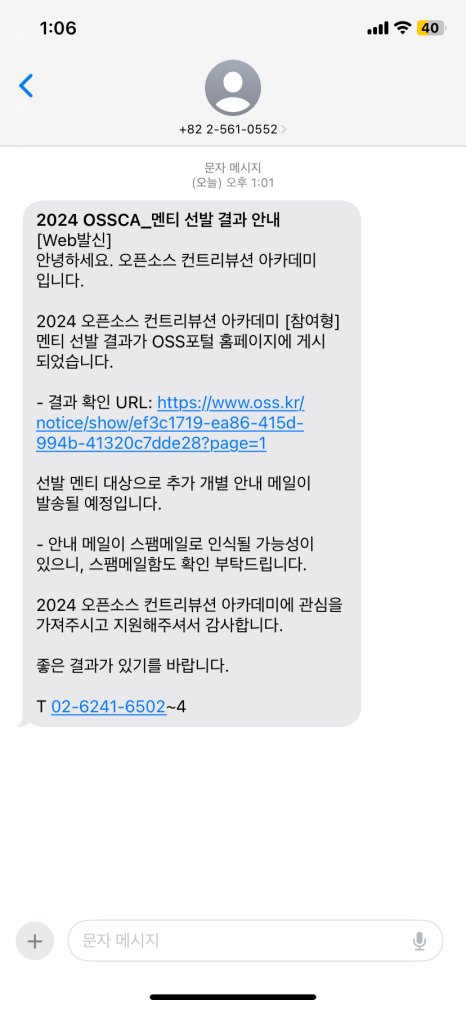
I received the acceptance notice via both text message and email.
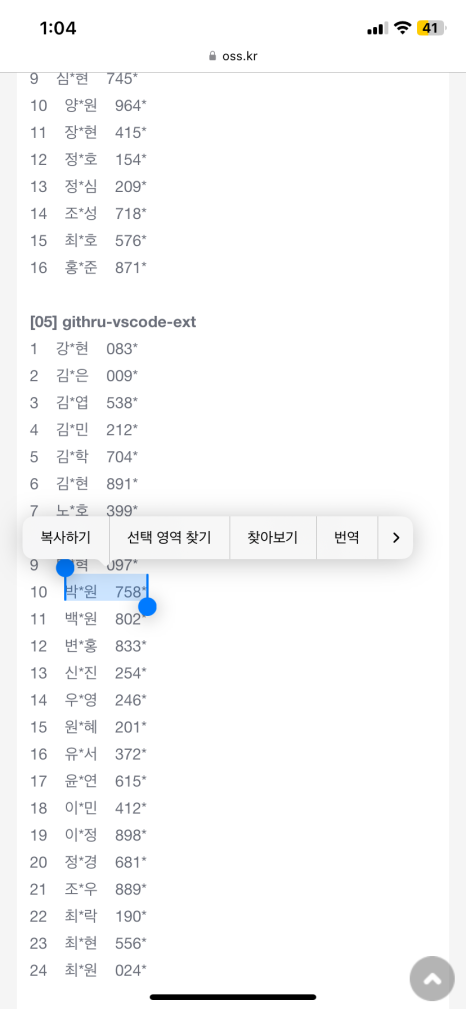
I had been a bit nervous while waiting, so it was exciting to see my name on the acceptance list.
After joining the Discord server, I waited for the kickoff event while continuing to work on my personal projects.
 |  |
|---|
 |  |
|---|
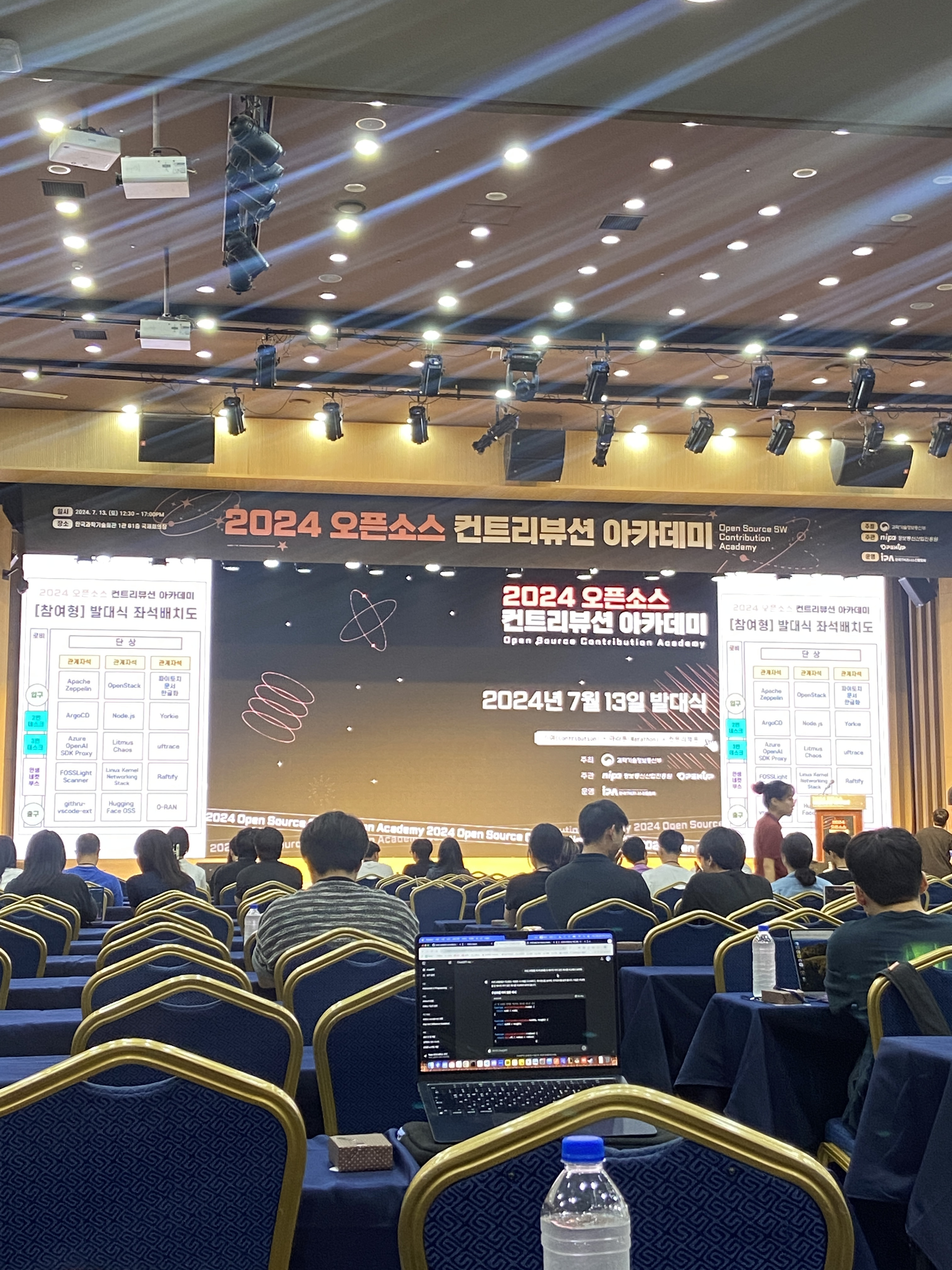
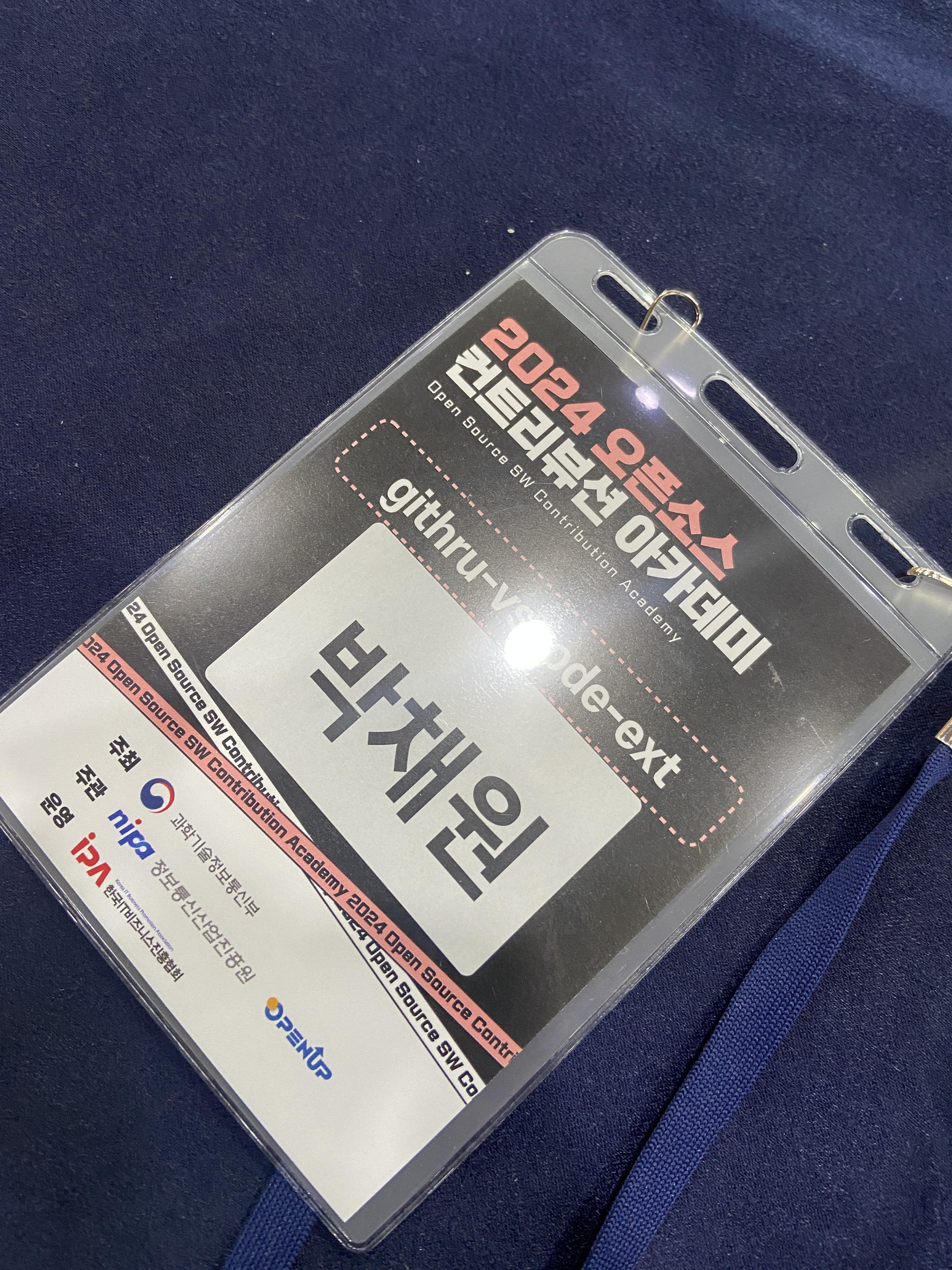
The kickoff event was held in Seocho on a Saturday, so I adjusted my part‑time work schedule to attend.
Before the team meeting, several mentors gave talks.
One sentence that stayed with me was:
Open‑source contributors are very rare.
As someone preparing for a developer career, that statement left a strong impression. I briefly wondered whether I had applied too early, but at the same time I felt proud just to be part of it.
After the talks, we had our first team meeting. We introduced ourselves using personal keywords, received a brief project introduction, and scheduled future meetings.
Afterward, most of the team members went to a nearby café and continued talking until evening. It was my first time discussing career paths with job seekers, students, and professional developers together, which made the experience especially interesting.
What impressed me most was the dedication of developers who already work full‑time but still participate in open‑source activities like this on weekends.
We later held about four seminars on Discord.
During these sessions we learned about the project architecture and how the system worked.
Contributors were divided into groups based on their interests:
engine / view / small working groups
I joined Group 4, took on the role of group lead, and focused on UI improvements.
Throughout the challenge period, I raised several issues independently of the team assignments.
To submit Pull Requests, the project had to be installed in developer mode, but during the challenge period the installation process did not work smoothly, so it was difficult to try actual code contributions.
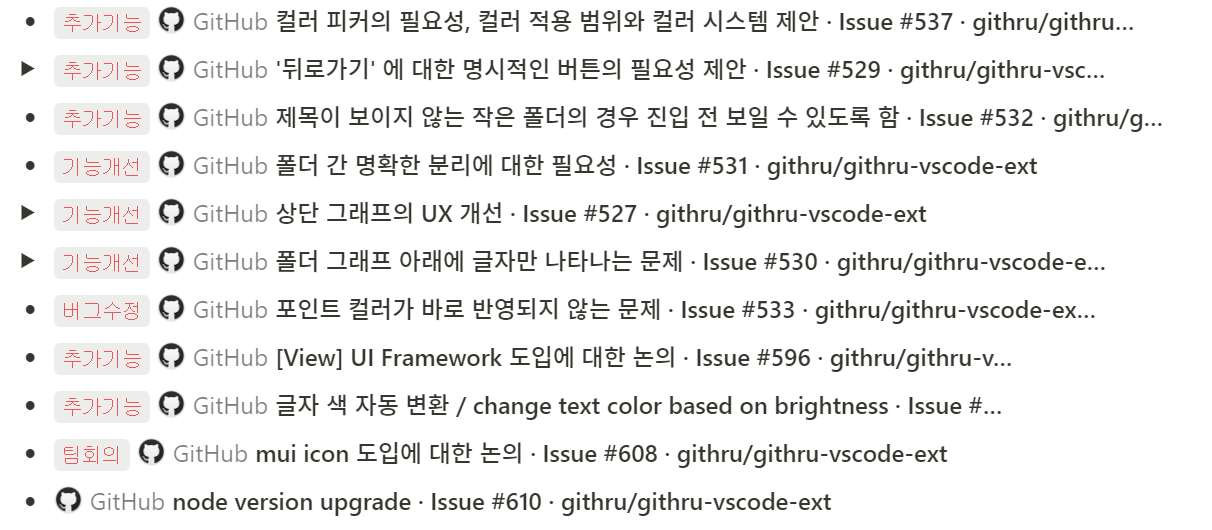
Instead, I focused on documenting usability issues while exploring the project.
Some examples included:
Some of these ideas were later implemented during the master phase of the program.
However, several issues required deeper understanding of the project architecture or major structural changes. At my level at the time, it was difficult to fully analyze those parts, so a few suggestions remained simply as issue proposals.
Before contributing to the main repository, I practiced my first Pull Request on a test repository.
링크 정보를 불러오는 중...
Until then, most of my work had been personal projects where I only made commits, so submitting code to someone else's repository felt a little intimidating.
Fortunately, the Pull Request was successfully merged, which made the experience exciting and memorable.
During this process I also used chart.js for the first time.
One piece of feedback I received was:
If you plan to work with charts directly, it may also be worth trying d3.
Experiencing the open‑source contribution workflow for the first time was a meaningful milestone for me.
Now that I had raised issues and practiced submitting Pull Requests, it was finally time to start solving the team's tasks and contribute more directly to the project.
The work I did during the master phase will be covered in the next post.
A summary of my contributions to the Githru project during the OSCCA master phase, including UI improvements, issues, and Pull Requests.
My experience applying to the Open Source Contribution Academy and exploring the Githru VSCode Extension before contributing.
A reflection on a 6-week team sprint: covering architectural challenges, the nuances of collaboration, and technical growth through senior feedback.

A record of building the foundation: from ideation and prototyping to navigating senior feedback and implementing the MVP
An in-depth look at why we normalize vectors, connecting game movement logic with Blender's "Apply Scale."
A reflection on a 6-week team sprint: covering architectural challenges, the nuances of collaboration, and technical growth through senior feedback.
A reflection on the 10-week Boostcamp membership sprint: technical learning, design challenges, burnout, and lessons about using AI effectively.
A personal retrospective on the Boostcamp Web·Mobile Challenge phase: daily missions, CS learning, peer feedback, teamwork, and how I learned to grow alongside AI
A record of exploring the pros and cons of functional programming and object-oriented programming, and the reasons for choosing functional programming in React
My experience preparing for Naver Boostcamp Web·Mobile 10, completing the Basic course, and taking the problem-solving test.
A summary of my contributions to the Githru project during the OSCCA master phase, including UI improvements, issues, and Pull Requests.
My experience during the OSCCA challenge phase, including raising issues and making first Pull Request while exploring the Githru project.
My experience applying to the Open Source Contribution Academy and exploring the Githru VSCode Extension before contributing.
마지막 아티클까지 모두 확인했습니다.